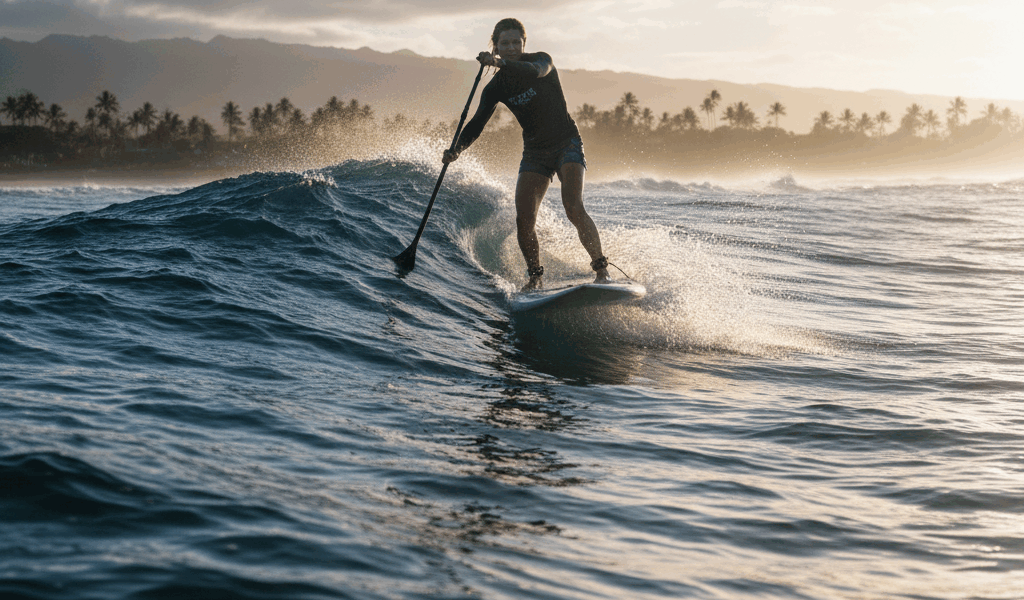
Ocean SUP adds surf, swell, tide, current, wind, cold-water exposure, shore break, reefs, rocks, navigation, and rapidly changing escape options. Flatwater confidence does not qualify a paddler for exposed coastal water. Begin with qualified local instruction at a protected venue and progress only after practicing falls, remounts, surf-zone handling, and rescue.
Read Several Conditions Together
No single forecast number decides whether a coastal paddle is safe. Review the National Weather Service coastal or marine forecast, beach and surf-zone forecast, wind direction and gusts, swell height and period, tide, current predictions, water temperature, visibility, thunderstorms, and warnings. Compare forecasts with beach flags, lifeguards, harbor notices, buoys, and actual conditions.
Conditions outside the launch can differ sharply from the protected beach. Headlands, gaps, channels, reefs, and tide can accelerate wind or current. When information conflicts or exceeds training, stay ashore.
Wind Determines the Escape Problem
A standing paddler and board have substantial windage. Offshore wind can make the beach appear calm while carrying the paddler away from land. Crosswind can push the board past the intended landing, and wind opposing current can steepen waves.
Plan the route around the return, not the easy outward leg. Keep a usable landing close, turn early, and do not count on kneeling or prone paddling as a guaranteed solution to a strong offshore wind.
Tide and Current Are Not the Same Thing
Tide is the changing water level; tidal current is horizontal water movement. Local channels, inlets, points, reefs, and river mouths can create current that differs from a general tide table. Predictions are estimates, while wind, pressure, river flow, and geography affect actual conditions.
Use NOAA Tides and Currents or the applicable local authority, then obtain venue-specific interpretation. Do not attempt a channel crossing or tidal pass without training and a route plan that accounts for traffic and set.
Surf and Shore Break Need Instruction
Launching and landing through breaking waves creates collision risk from the board, fin, and paddle. A large SUP can injure the paddler or other beach users. Learn board control, fall direction, spacing, equipment handling, and local surf etiquette from a qualified instructor.
Never place yourself between the board and shore in breaking waves. Keep clear of swimmers and other riders, and obey local zones and right-of-way practices.
Rip Currents
Rip currents are channels of water moving away from the shore through the surf zone. They do not pull a person underwater, but can carry someone offshore and lead to panic or exhaustion. They may occur near breaks in sandbars, jetties, piers, reefs, and other features and may be difficult to identify.
Check the official surf forecast and beach flags and talk with lifeguards. Do not treat a rip current as a convenient route through surf. If separated from the board and caught in one, follow National Weather Service guidance: stay calm, float or tread water, signal for help, and swim parallel to shore to leave the current if able. Do not fight directly against it.
Life Jacket, Leash, and Clothing
Wear a properly fitted, activity-appropriate U.S. Coast Guard-approved life jacket or buoyancy aid according to its label. Select a leash for the actual environment and discipline. Surf, open coast, rocky shoreline, docks, reef, and current create different separation and snag risks; obtain local instruction rather than applying one universal leash rule.
Dress for immersion and expected rescue time, not only air temperature. Cold shock can impair breathing and movement quickly. Test the complete system under controlled supervision before relying on it offshore.
Navigation and Visibility
Stay out of shipping lanes, harbor entrances, ferry routes, and restricted areas unless the route, local rules, and training explicitly support the crossing. Larger vessels may have limited visibility and maneuverability. Carry required sound and light signals and make yourself visible.
Know charted and local hazards, but do not assume a phone map replaces navigation skill. Protect communication and carry a backup suitable for distance and coverage.
Route and Float Plan
Choose a conservative shoreline route with frequent legal landings. Identify the point where conditions would prevent safe return and turn well before it. Give a responsible person the launch, route, alternate landings, paddlers, boards, equipment, communication, expected return, and overdue procedure.
Avoid solo exposed-coast trips. Group paddling helps only when spacing, signals, towing, assistance, and rescue roles are practiced.
Ocean SUP Go/No-Go Checklist
- Official marine, surf, wind, tide, current, storm, visibility, and temperature information checked
- Local lifeguard, harbor, beach flag, closure, and navigation guidance understood
- Launch, shore break, route, alternate landings, and return direction within training
- Life jacket, environment-specific leash, immersion clothing, communication, and signals ready
- Surf, remount, rescue, and group skills practiced for this venue
- No schedule, reservation, or social pressure preventing cancellation
For any failed critical item, choose protected water or another day. Ocean confidence should come from training and conservative decisions, not from surviving conditions that were too difficult.




Stay in the loop
Get the latest sup spots updates delivered to your inbox.