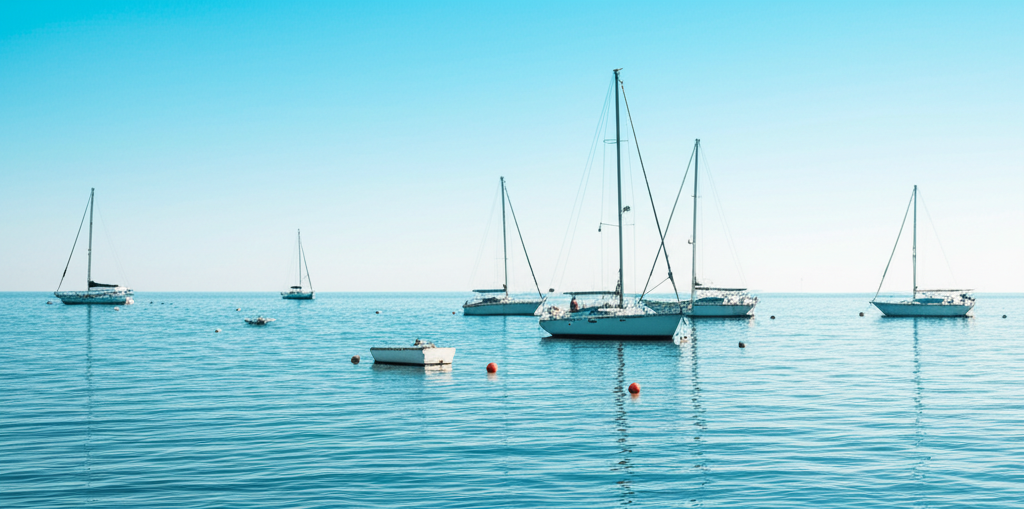
Lakes can provide excellent SUP conditions, but “flatwater” does not mean permanently calm or low-risk. A small protected pond, a busy reservoir, and an inland sea-sized lake have very different wind, waves, cold-water exposure, traffic, access, and rescue demands. Evaluate the exact lake, launch, route, and day.
Match the Lake to Your Skills
Beginners should look for a small sheltered area with legal access, a forgiving launch, little motorboat traffic, and a route close to a usable shore. Large open lakes can build steep waves and long fetch, while reservoirs may have changing levels, dam structures, restricted zones, and powerboat traffic.
Do not choose a first session from scenery alone. Use the beginner SUP location scorecard to screen access, launch, traffic, route, landing, and rescue conditions.
Check Official Access and Rules
Review the lake manager, park, reservoir authority, state boating agency, and local health department sources. Confirm:
- Where paddleboards may launch and operate
- Hours, fees, permits, parking, and seasonal closures
- Life-jacket, whistle, lighting, registration, and leash rules
- Swimming zones, motorboat lanes, dams, spillways, and restricted shorelines
- Water-level, water-quality, wildfire, ice, or harmful-algal-bloom advisories
Public water does not make every shoreline public. Use designated access and respect private property.
Wind Is the Main Route Problem
Wind can strengthen away from shore and create waves over the lake’s open distance. An outward tailwind can hide a difficult return, while offshore wind can push a standing paddler away from the closest landing. Shorelines, hills, islands, and gaps can shelter or funnel wind.
Check the National Weather Service forecast, wind direction and gusts, thunderstorms, visibility, and any lake wind advisory. Compare the forecast with actual conditions at the launch. Turn early when wind or waves increase; do not wait until control is lost.
Cold Water Can Outlast Warm Weather
Lake water may remain cold after the air warms. Sudden immersion can cause involuntary gasping, rapid breathing, impaired thinking, and loss of muscular control. Wear a suitable life jacket and dress for the water and expected rescue time rather than for comfort while standing.
Stay close to a viable landing, carry protected communication, and practice remounting with the actual clothing and equipment under controlled supervision.
Boat Traffic and Wakes
Keep clear of ramps, marina entrances, marked channels, ferries, anglers, swimmers, and restricted areas. Larger vessels may not see a low-profile paddlecraft and may be unable to stop or turn quickly. Learn local navigation rules and carry required sound and light signals.
Meet a wake with the technique taught for your board and conditions, leaving room to kneel. Do not stop where another vessel’s wake can push the board into rocks, docks, or swimmers.
Water Quality and Harmful Algal Blooms
Check official recreational-water advisories before launching. The U.S. Environmental Protection Agency notes that harmful algal blooms can expose people and animals during water recreation. A bloom cannot be confirmed safe by appearance alone.
If officials post a closure or advisory, obey it. If you see suspicious scum, mats, foam, paint-like streaks, or unusual discoloration without current guidance, follow EPA’s precaution: when in doubt, stay out. Keep pets away and choose another lake.
Plan a Shore-Following Route
A conservative route stays near legal, usable shore and avoids long crossings. Mark the primary and alternate landings, wind exposure, boat channels, restricted areas, shallow hazards, and where communication works. Preserve enough energy and daylight for a wind change or longer landing approach.
Crossings between islands or shorelines add exposure. They require visibility, navigation, traffic awareness, group planning, and rescue capacity beyond a casual shoreline paddle.
Equipment Checklist
- Board and fin suitable for the route and within manufacturer capacity
- Properly fitted, activity-appropriate life jacket
- Leash system selected for the environment, with snag hazards considered
- Paddle correctly adjusted and secured as trained
- Whistle and protected communication
- Immersion clothing, sun protection, water, and first-aid items appropriate to the plan
- Float plan with route, equipment, vehicle, return time, and overdue action
Lake SUP Go/No-Go Checklist
- Legal access and current rules confirmed
- Weather, wind, waves, water temperature, visibility, and storms acceptable
- No water-quality, bloom, wildfire, flood, or operational closure
- Traffic, dam structures, route, and alternate landings understood
- Equipment, clothing, skills, and communication match the lake
- Return reserve and cancellation option preserved

Stay in the loop
Get the latest sup spots updates delivered to your inbox.