
The PFD Question Every Paddleboarder Ignores Until They Shouldn’t
Life jackets and PFDs for paddleboarding has gotten complicated with all the conflicting regulations, marketing claims, and forum debates flying around. As someone who paddled for my entire first season without wearing a PFD — and had the Coast Guard stop me on a river to point out that I was, in fact, breaking federal law — I learned everything there is to know about what you actually need on your body when you are standing on a board. Today, I will share it all with you.
My wake-up call was not the Coast Guard stop, honestly. It was a downwind paddle on a local lake that went sideways when a gust knocked me off the board and the leash snapped. I swam 300 yards to shore in 58-degree water wearing a cotton shirt and board shorts. By the time I pulled myself onto the bank my hands were shaking so badly I could barely hold my phone. The PFD was in my truck. Lot of good it did me there. Don’t make my mistake of treating a PFD as an accessory you bring along but never put on.
This article includes affiliate links. We may earn a commission at no extra cost to you.
What the Coast Guard Actually Requires
Probably should have led with this section, honestly — because the legal part is simpler than most people think.
The U.S. Coast Guard requires one Coast Guard-approved PFD for each person aboard any paddlecraft, including stand-up paddleboards. That is federal law. State laws vary — some require children to wear PFDs at all times, others have seasonal requirements, and a handful require PFDs to be worn rather than just carried. Check your specific state regulations before heading out.
The distinction between “on board” and “worn” matters. Many states allow you to strap a PFD to your board rather than wear it. Experienced paddlers know that a PFD strapped to a board you just fell off of is not particularly useful in the moment you need it. I’m apparently the kind of person who needed to learn this lesson the hard way rather than just listening to the people who told me to wear it.
PFD Types That Actually Work for SUP
The Coast Guard categorizes PFDs into five types, but for paddleboarding you are realistically choosing between two: Type III flotation aids and Type V special use devices.
Type III flotation aids provide a minimum of 15.5 pounds of buoyancy and are designed for conscious wearers in calm inland waters. They are the most comfortable option for SUP because they are designed with active water sports in mind. The trade-off is they will not automatically turn an unconscious person face-up, so they are best for competent swimmers in relatively calm conditions.
Inflatable PFDs are the option that changed the game for paddleboarders who hate wearing bulky vests. Belt-pack inflatables sit around your waist and deploy when you pull a cord — or automatically when submerged, depending on the model. You barely notice them while paddling. The downside is they require regular inspection and CO2 cartridge checks, and they are not legal for children under 16.
Traditional foam PFDs offer constant flotation and require no maintenance beyond rinsing. Modern SUP-specific foam vests have high-cut armholes and short bodies that do not interfere with your paddle stroke. I switched to a foam vest after my first inflatable failed to deploy during a practice test in my bathtub — turns out the CO2 cartridge had corroded. That’s what makes equipment maintenance endearing to us paddlers — you never think about it until the one time it matters.
What to Look For in a SUP PFD
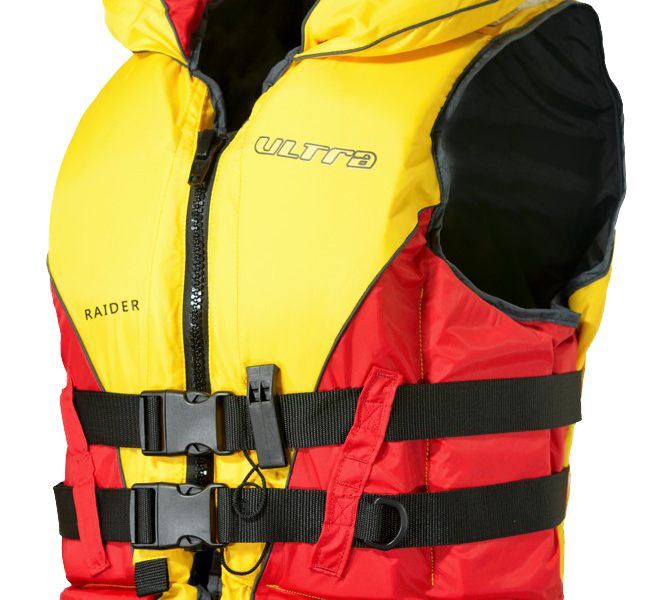
High armholes and short body. PFDs designed for paddling are cut to allow full range of motion in your shoulders. A traditional fishing vest will restrict your stroke and cause chafing within an hour. PFDs marketed for kayaking or SUP specifically are worth the premium over generic life jackets.
Snug fit that does not ride up. After putting on your PFD and adjusting all straps, have someone lift you by the shoulders of the jacket. If it slides up over your chin or ears, it is too loose. Tighten the straps or try a smaller size. Chest measurement determines sizing, not body weight — measure around the fullest part of your chest and consult the manufacturer’s chart.
Pockets and attachment points. A whistle is required by the Coast Guard. Pockets for sunscreen, a phone in a dry bag, or a snack bar make touring more practical. D-rings let you attach a knife or strobe light.
Matching Your PFD to How You Paddle
Flatwater recreational paddling. A low-profile Type III vest or inflatable belt pack is all you need for calm lakes and protected bays. Comfort matters most here because you want to actually wear it, not leave it bungeed to the nose of your board.
Coastal and ocean paddling. Open water demands a traditional foam Type III PFD with higher buoyancy and bright visibility colors. Ocean conditions change faster than lake conditions, and the extra flotation matters if you get separated from your board in current or wind.
River and moving water. River paddling requires higher buoyancy — look for models with 16.5 or more pounds of flotation. Quick-release rescue belts and whistle attachments are essential. Some river PFDs include protective padding for potential impacts with rocks. I have a friend who cracked a rib on a river rock and credits his padded PFD with keeping it to a crack instead of a break.
Keeping Your PFD Functional
Rinse your PFD with fresh water after each use, especially in saltwater. Check zippers, buckles, and straps regularly for wear. Foam PFDs should be air-dried away from direct sunlight and stored loosely — never sit or kneel on them, as compressed foam loses buoyancy over time. Inflatable PFDs require inflation tests every season and CO2 cartridge inspection.
Beyond legal requirements, wear your PFD whenever conditions warrant: cold water where hypothermia risk is real, offshore paddling, low visibility, or if you are paddling alone. The best PFD is the one you will actually wear, which is why investing in comfort and proper fit matters more than brand name or price point. I spent $45 on my first PFD and never wore it because it was uncomfortable. I spent $85 on my second one and wear it every single paddle.
The money was not the issue — the fit was.




Stay in the loop
Get the latest sup spots updates delivered to your inbox.