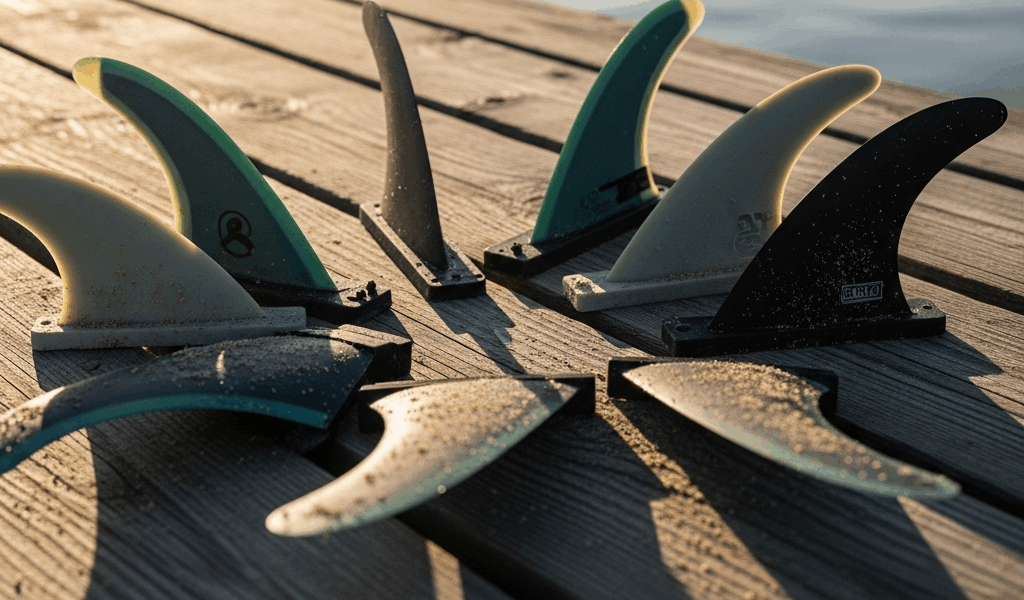
The Part of Your Board You Never Think About — Until It Ruins a Session
SUP fin setup is one of those topics where the advice you find tends to be either too basic or flat-out wrong. paddled my first two years on whatever fin came in the box and then spent a frustrating afternoon wondering why my board would not track straight on a windy lake, and what I learned along the way is worth sharing properly.
The fin conversation started for me when I pulled the stock plastic fin off my inflatable board and replaced it with a nine-inch fiberglass center fin on a recommendation from a guy at my local paddle shop. The difference in tracking was immediate and honestly startling. Same board, same paddle, same lake — completely different feel. That was the moment I realized fins are not an afterthought. Take it from me of ignoring the one component that most directly controls how your board moves through water.
This article includes affiliate links. We may earn a commission at no extra cost to you.
Single Fin vs Thruster vs Quad — What Actually Changes
Probably should have led with this section, honestly — because picking the right configuration matters more than picking the right brand.
Most all-around SUP boards come with a single large center fin. This is the simplest and most versatile setup. A single fin tracks well in a straight line, which is what you want for flatwater cruising, touring, and fitness paddling. The downside is that a single fin does not provide as much hold in surf or choppy conditions where you need lateral stability. For about 80 percent of recreational paddlers, a single center fin is the right answer and the only configuration you will ever need.
Thruster setups — one center fin plus two smaller side fins — are borrowed from surfing. They provide more grip during turns and better control in waves. If you paddle in the ocean or on large lakes where wind chop is common, a thruster setup gives you noticeably more confidence in rough water. The trade-off is slightly more drag, which means you work a little harder on flatwater distance paddles. I run a thruster on my second board specifically for ocean days and it genuinely changes how the board holds on a wave face.
Quad setups — four fins, no center fin — are less common on SUPs but gaining followers among surf-focused paddlers. Quads generate speed through turns and feel loose and responsive. They are not ideal for touring or distance paddling because they do not track as well as a center fin, but for wave riding they are fantastic. It’s the kind of thing that gear-obsessed paddlers tend to understand instinctively — small changes produce noticeable differences in how the board responds.
Fin Size — The Guideline Nobody Gives You in Concrete Numbers
Bigger fins provide more stability and tracking but create more drag and make the board harder to turn. Smaller fins are faster and more maneuverable but sacrifice straight-line stability. The general guideline is to match your fin size to your body weight and paddling style.
For flatwater and touring, a fin in the 8 to 10 inch range works for most adult paddlers. If you are over 200 pounds, lean toward the larger end. Under 150, you can go smaller. For surf, drop down to a 6 to 8 inch center fin or equivalent thruster set to free up the tail for turns.
Fin depth also determines how shallow you can paddle. A 10-inch fin means you need at least 10 inches of water clearance beneath your board. If you paddle in rivers, shallow lakes, or tidal flats, a shorter fin or a flexible rubber fin prevents the damage that comes from inevitably hitting bottom. I have dragged a rigid fin across a sandbar exactly once. The gouge in the fin box taught me to check depth before committing to a shallow channel.
Fin Materials — When the Upgrade Actually Matters
Plastic fins are cheap and durable. They flex under pressure, which makes them forgiving when you hit rocks or sand but less responsive in performance situations. For casual paddling, they are perfectly fine. My first board’s stock plastic fin lasted two years and I never thought about replacing it until I did and realized what I had been missing.
Fiberglass and carbon fiber fins are stiffer and more responsive. They translate your paddle strokes into forward motion more efficiently because they do not flex and waste energy. The difference is subtle on a flatwater cruise but noticeable over a long distance paddle or in surf where every bit of drive matters. They also break if you hit something hard, so they are best for deeper water where bottom strikes are not a concern.
Flexible rubber fins — from companies like FCS and others — are designed specifically for shallow-water paddling. They bend when they contact the bottom and snap back to shape. They sacrifice some performance but save you from constantly replacing damaged rigid fins. I keep a rubber fin in my truck for river days and swap it onto my board before launching. Takes thirty seconds with a tool-less fin box.
Fin Boxes — The Compatibility Question
Not all fins fit all boards. The two most common fin box systems on SUPs are US fin box, which is the standard single-fin slot that accepts most aftermarket center fins, and FCS or similar side-bite systems for thruster and quad configurations. Before buying an aftermarket fin, check what fin box your board uses. A $60 carbon fin that does not fit your board is an expensive lesson in reading product descriptions. I happen to be the kind of person who had to learn this firsthand.
Most inflatable SUPs use a proprietary slide-in fin system or a tool-less center fin box. Aftermarket options exist but are more limited than for hardboards. Check your brand’s compatibility before ordering.
Start with the stock fin, paddle enough to understand your board’s baseline behavior, then experiment. Swapping a single fin takes a minute and the difference in feel is immediate enough that you will know quickly whether the change was an improvement. The fin is the cheapest and easiest upgrade on any paddleboard, and it is usually the one that makes the most noticeable difference in how the board handles.



Stay in the loop
Get the latest sup spots updates delivered to your inbox.