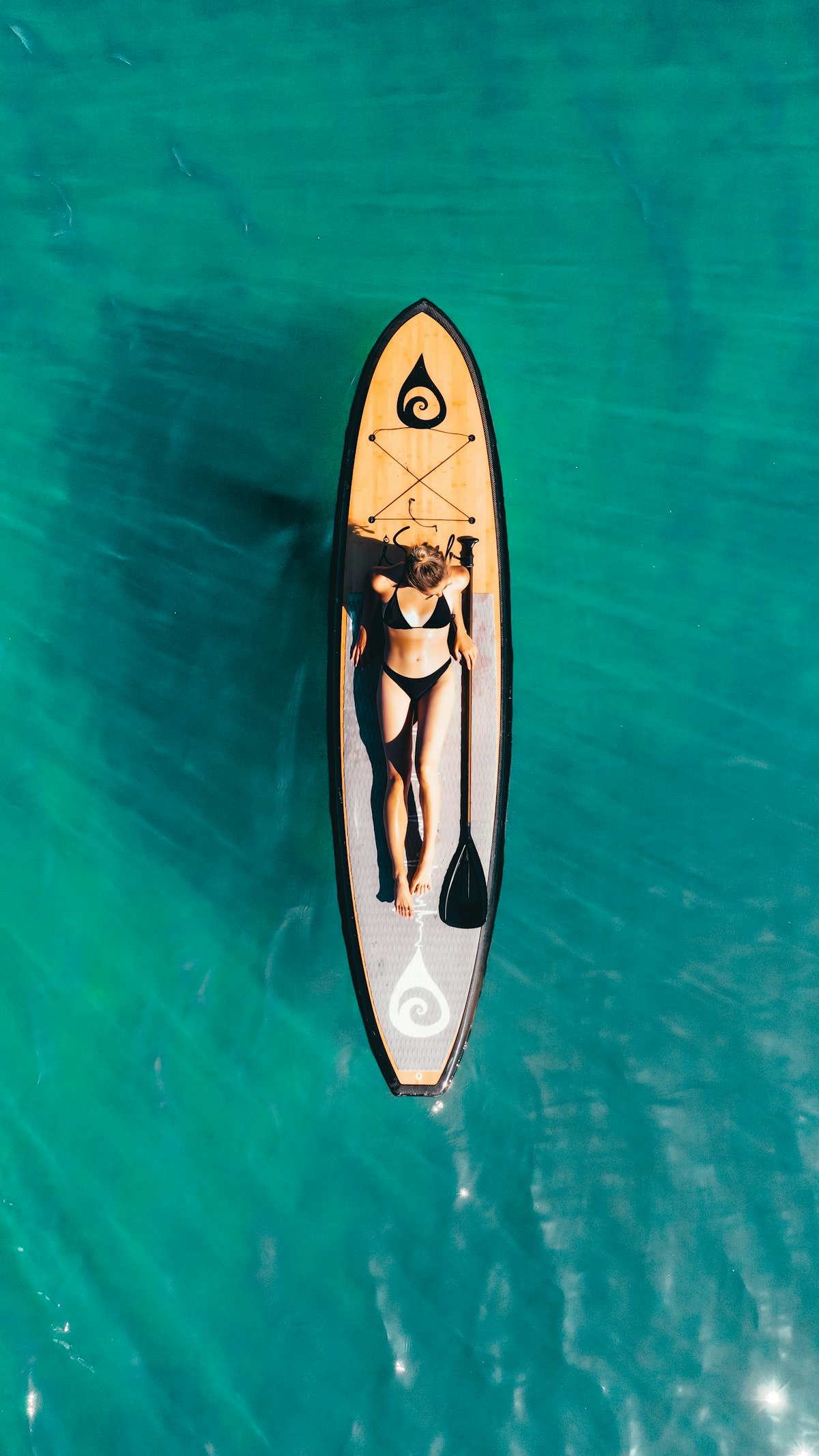
Photography from a paddleboard changes everything about the process. The angle is unique. The access reaches places shore photographers can’t. The challenge of maintaining balance while framing shots creates a meditative focus. These destinations reward photographers willing to paddle for their images.
Lake Tahoe, California and Nevada
Tahoe’s water clarity creates optical illusions that cameras capture beautifully. Objects appear to float above the bottom in ways that confuse depth perception. Early morning light before wind disturbs the surface produces mirror reflections of surrounding mountains.
The underwater possibilities rival what’s visible above. Waterproof housings reveal crystal clear depths rarely available in lakes. Snow-capped peak reflections in winter months add drama that summer lacks. The same location photographs differently across seasons.
Moraine Lake, Canada
The turquoise water results from glacial flour suspended in meltwater. This color peaks in late June through early August when summer sun intensifies the effect. The Valley of the Ten Peaks backdrop has made this location famous, but photographing from the water provides angles most visitors never see.
Early morning paddles avoid crowds and catch optimal light. The sun angles differently through the day, creating varying color intensities. Multiple sessions at different times reveal which light suits your vision best.
Ha Long Bay, Vietnam
Limestone karsts rise from the water in formations that seem impossible. Mist drifts between islands, creating atmospheric depth that flat light photographs lack. Paddling through the maze of formations reveals perspectives that tour boats pass too quickly to appreciate.
The scale challenges cameras to convey properly. Including human elements like other paddlers provides reference that establishes the massive size of these formations. Dawn and dusk mist produces the most dramatic conditions.
Bora Bora, French Polynesia
The lagoon’s clarity reveals bottom details in shades of blue and turquoise that shift as depth changes. Overwater bungalows provide iconic foreground elements. Mount Otemanu rises as a dramatic backdrop that appears in most Bora Bora imagery.
Underwater photography from paddleboard platforms reveals marine life without diving equipment. Manta rays, tropical fish, and coral gardens create subjects worth the travel investment. Polarizing filters cut surface glare and reveal underwater details more clearly.
Maui, Hawaii
Diverse marine environments cluster along Maui’s coastlines. Sea turtles surface regularly for air, creating split-second capture opportunities. Morning light illuminates the volcanic backdrop differently than afternoon. Knowing which shores face which direction helps planning optimal shooting times.
Humpback whale season adds dramatic subject potential. These massive creatures pass close enough for photography without telephoto requirements. The paddleboard platform provides eye-level perspective with the ocean surface that emphasizes scale.
Norwegian Fjords
Vertical cliffs rising thousands of feet from waterline create compositions impossible to capture from shore. Waterfalls cascade directly into paddling lanes. The stillness of protected fjord water produces perfect reflections that double the effective height of surrounding cliffs.
Midnight sun during summer enables extended shooting sessions at times when other destinations offer only darkness. The golden light of low-angle sun persists for hours rather than minutes. This extended window allows experimentation impossible under normal lighting schedules.
Antelope Canyon Area, USA
Lake Powell gives paddleboard access to canyon formations that rival the famous slot canyons. Sandstone walls glow with reflected light in ways that vary through the day. The interaction of water and rock creates abstract compositions that work in isolation from broader context.
Paddle into narrow slot canyons where the walls close in overhead. The filtered light creates natural studio conditions. Spring and fall offer milder temperatures than summer while maintaining water levels necessary for canyon access.
Krabi, Thailand
Limestone formations rise from turquoise water with tropical vegetation clinging to impossible surfaces. Mangrove channels provide different environments than open water. The variety within a small area allows diverse shooting in single sessions.
Thai longtail boats add cultural elements that place images geographically. Timing to include or exclude other watercraft becomes part of the creative process. Early morning avoids midday crowds while providing soft light.
Loch Lomond, Scotland
Moody atmospherics characterize Scottish waters. Mist, clouds, and occasional sun breaks create constantly changing conditions. What might frustrate paddlers seeking consistency rewards photographers with variety.
Island silhouettes break up wide water expanses. Wildlife including ospreys and otters appears to paddlers patient enough to wait. The combination of wildlife and landscape photography opportunities in single sessions maximizes shooting variety.
What Photography Paddling Requires
Waterproof housings or water-resistant cameras are essential rather than optional. Falls happen. Splash damages electronics. Assume any camera will get wet and protect accordingly.
Stability while shooting demands practice. Paddle to position, then find stable stance before composing. Rushing shots leads to blurry images and wet cameras. Taking time produces better results and fewer equipment casualties.
The unique angle paddleboard photography provides justifies the additional complexity. Images from these platforms differ from anything achievable on shore or from larger boats. That distinctiveness makes the logistical challenges worthwhile for photographers serious about creating original work.
Recommended SUP Gear
GYMMALL Inflatable Paddle Board
Complete SUP package for all skill levels.
FunWater Inflatable SUP
Ultra-light board with all accessories included.
As an Amazon Associate, we earn from qualifying purchases.

Stay in the loop
Get the latest sup spots updates delivered to your inbox.