SUP Adventures for Couples
Stand-up paddleboarding as a couple has gotten complicated with all the gear options and destination guides flying around. As someone who’s been paddling with my partner for years now, I learned everything there is to know about turning SUP into something both of you actually enjoy — not just tolerate. Today, I want to walk you through what we’ve figured out, from picking the right boards to finding spots that’ll make you both want to come back.
Getting the Right Gear Without Overthinking It
The gear conversation can spiral fast, so let me keep it simple. You both need a board that’s stable enough to stand on without constant wobbling. If either of you is newer to paddling, go wider — a 32- or 34-inch board makes a huge difference in confidence. My partner started on a narrower board and was frustrated for weeks until we switched.
Inflatables are fantastic for couples because you can toss two of them in the back of your car without needing a roof rack. They’ve gotten really good in recent years. Hard boards perform a bit better on the water, sure, but the convenience factor of inflatables is hard to beat when you’re coordinating two people, two boards, and all the other stuff you need for a day out.
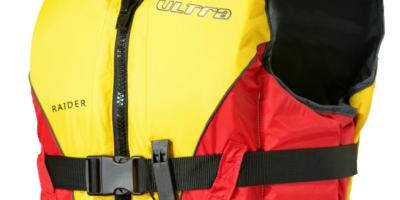
For paddles, don’t cheap out too much. Aluminum ones are heavy and your arms will feel it after an hour. A fiberglass paddle hits the sweet spot of weight and price. And yes, get life jackets. It’s the law in most places, and it’s just smart. We keep ours clipped to the boards so we never forget them.
Learning Together (Without Driving Each Other Crazy)
Here’s what nobody tells you: learning to SUP with your significant other can either bring you closer or start an argument on the water. The trick is managing expectations. Start on your knees. Seriously. Kneel on the board for a solid ten minutes, paddle around a bit, and get comfortable with the balance before either of you tries standing up.
When you do stand, keep your feet parallel, about hip-width apart. Look at the horizon, not at your feet. And here’s the relationship advice part — don’t coach each other unless asked. My partner and I have a rule: encouragement only unless someone specifically asks for a tip. It’s saved us more than one afternoon.
If you can swing it, taking a lesson from an instructor is genuinely worth the money. One session got us past mistakes we’d been repeating for weeks. Plus, it gives you a shared experience to laugh about later.
Finding Spots That Work for Both of You
That’s what makes location scouting endearing to us paddling couples — every new spot is a mini adventure you share. Not every destination suits every couple, though. If one of you likes calm water and the other wants waves, you’ve got to compromise or pick a place that offers both.
Lake Tahoe is incredible if you can get there — the water clarity is almost unreal and there are plenty of calm coves to explore. For something more tropical, the Florida Keys offer warm water year-round with sea turtles and fish you can spot from your board. We once paddled a stretch of the Keys where a manatee swam right under us. You don’t forget moments like that.
Rivers are underrated for couples. A gentle current means you’re moving without working too hard, and the scenery constantly changes. The Colorado River has some beautiful, mellow stretches that feel like you’re paddling through a postcard.
Tandem Boards: Worth Trying at Least Once
We rented a tandem board on a whim during a trip to San Diego, and honestly, it was a blast. It’s basically a bigger, wider board designed for two people. One person steers from the back while the other paddles up front. You have to communicate — which direction, how hard to paddle, when to switch sides — and it becomes this fun little teamwork exercise.
Fair warning: it’s harder than it looks. You’ll probably zigzag for the first fifteen minutes. But once you find your rhythm, there’s something really satisfying about moving through the water together. Try it on calm water first. Choppy conditions on a tandem board with a partner is… let’s just say it tests the relationship.
Our Favorite Adventurous Spots
- Hawaii: Waikiki is the obvious pick, but head to the North Shore in summer when the waves calm down. Haleiwa Beach Park is gorgeous and way less crowded than the tourist spots.
- Lake Powell: Red rock canyons rising out of turquoise water. We spent three days there and barely scratched the surface. Bring camping gear if you can.
- Bali: Paddled along the coast near Sanur, which is the calm side of the island. The temples visible from the water give it a completely unique atmosphere.
- Amsterdam: This one surprised us. Paddling through the canals is surreal — you’re gliding past 400-year-old buildings while locals wave from bridges. Totally different vibe but absolutely worth it.
It’s Exercise, But It Doesn’t Feel Like It
One of the things I love about SUP with my partner is that we’re both getting a solid workout without it feeling like a gym session. Your core is engaged the entire time. Your arms, shoulders, and back are working. But you’re also watching herons take off from the shoreline and arguing about whether that was a bass or a catfish that just jumped. It doesn’t feel like exercise because there’s so much else going on.
SUP yoga is worth mentioning here too. We’ve done a couple of guided sessions and it’s genuinely fun — a bit wobbly, a lot of laughing, and surprisingly good for flexibility and balance. Pack a picnic for after. Find a quiet beach or bank, lay out a blanket, and just sit. The combination of physical activity and total relaxation is hard to beat.
Getting Into the Community Together
Probably should have led with this section, honestly. Joining local SUP events was what turned paddling from an occasional activity into a regular part of our lives. Group paddles, charity races, sunset floats — there’s usually something happening most weekends if you know where to look.
Some races have tandem categories, which are a great time. You don’t have to be fast. We came in near the bottom of our first race and had an absolute blast. The SUP community tends to be welcoming and low-key. We’ve met some of our closest friends through group paddles.
Safety Stuff You Shouldn’t Skip
I know, I know — safety sections aren’t exciting. But after a close call with unexpected wind on a large lake, I take this seriously. Always check the weather before you go. Wind is the biggest factor for SUP; anything over 10-15 mph and you’re in for a rough time. Wear sun protection — you’re reflecting light off the water, so you burn faster than you’d think.
Carry a waterproof bag with your phone, some water, sunscreen, and a snack. Tell someone where you’re going and when you expect to be back. It takes two minutes and it matters. Stay aware of boat traffic, especially on popular lakes. Those ski boats don’t always see you.
SUP Camping: The Next Level
Once you’re comfortable paddling together, SUP camping is an incredible next step. You load your camping gear onto the boards and paddle to a campsite that’s only accessible from the water. It’s remote, it’s quiet, and setting up camp together after a paddle feels earned in the best way.
Keep your gear lightweight and waterproof. Divide the load between both boards so neither of you is overloaded. We’ve done this a handful of times now, and the sunsets from a water-access-only campsite are in a completely different category than anything you’d see from a drive-up spot.
Capture the Moments
Bring a waterproof camera or a phone in a good waterproof case. The photos you’ll get from the water are unlike anything from shore. We started keeping a little paddling journal too — where we went, what we saw, how the conditions were. Looking back through it is one of my favorite things. It’s become this record of places we’ve explored together, and it just keeps growing.
Making It a Regular Thing
The key to keeping SUP interesting as a couple is variety. Don’t paddle the same lake every weekend. Mix it up. Try a river one week, a coastal spot the next, a new lake after that. Join a club so you’ve got built-in motivation and company. We aim for at least two paddles a month, and some of our best conversations happen out on the water where there are no screens, no distractions — just the two of you and whatever stretch of water you’ve chosen that day.
Recommended SUP Gear
GYMMALL Inflatable Paddle Board
Complete SUP package for all skill levels.
FunWater Inflatable SUP
Ultra-light board with all accessories included.
As an Amazon Associate, we earn from qualifying purchases.


Stay in the loop
Get the latest sup spots updates delivered to your inbox.