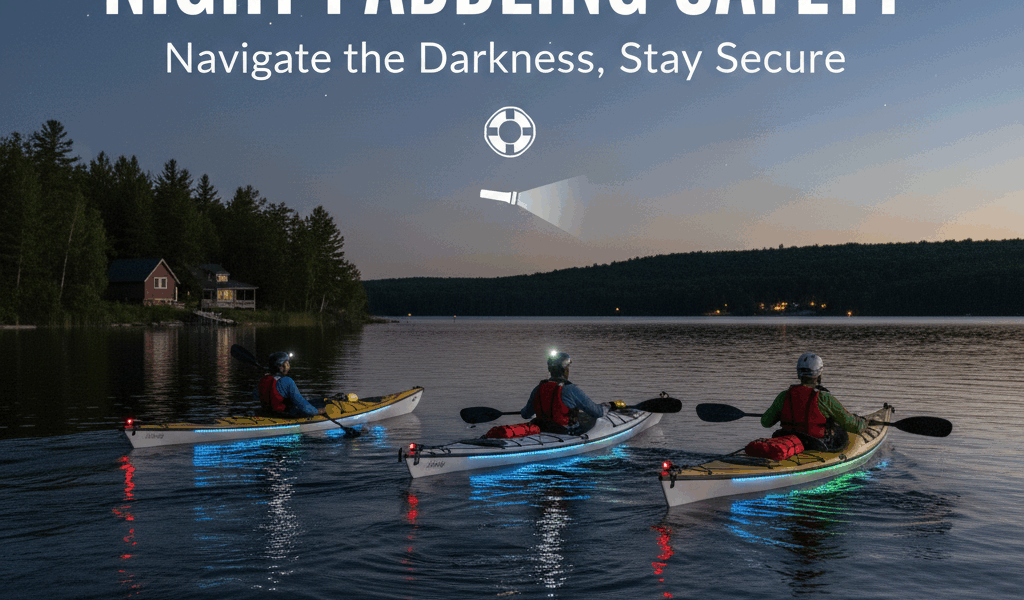
People ask which is better—canoe or kayak—as if there’s one right answer. There isn’t. The two craft evolved for different purposes, suit different paddlers, and excel in different conditions. Understanding those differences helps you choose the right boat for your adventures.
I paddle both regularly and find myself reaching for one or the other based on what I’m actually planning to do, not based on some abstract preference.
The Fundamental Difference
Canoes sit you higher with an open deck, using a single-blade paddle in alternating strokes. Kayaks seat you lower in an enclosed cockpit, using a double-blade paddle in continuous motion. Everything else flows from those basic distinctions.
The open canoe design means easy access for gear, simple entry and exit, and the ability to kneel or shift position during long paddles. You see more from the elevated position. Capsizing is survivable without special skills—you just fall out and grab the boat.
The enclosed kayak cockpit keeps water out in rough conditions, lowers your center of gravity for stability in waves, and creates a more athletic connection between paddler and boat. The sealed hull also means capsizing requires either a roll to recover or a wet exit that demands practice.
Stability and Learning Curve
Beginners typically find canoes easier to stay upright in—at first. The wider hull and higher seating provide what’s called initial stability. The boat feels solid when you’re sitting still or paddling gently.
But that initial stability can be deceptive. Canoes have less secondary stability—the resistance to capsizing once you’ve started to tip. Lean too far in a canoe and recovery becomes difficult. The high center of gravity works against you.
Kayaks feel tippy at first because the narrow hull allows more side-to-side motion. But that same design provides strong secondary stability—lean into a turn and the hull resists capsizing. Experienced kayakers feel confident in conditions that would concern canoeists.
The learning curve for basic paddling favors canoes. Anyone can get a canoe moving reasonably well in fifteen minutes. Kayaking’s continuous stroke and paddle coordination take longer to internalize, though the resulting efficiency exceeds what most canoe paddlers achieve.
Speed and Efficiency
Kayaks win on speed, no contest. The double-blade stroke maintains continuous propulsion where canoe paddlers must switch sides. The lower seating reduces windage. The hull shapes typical of kayaks prioritize forward motion over cargo capacity.
For covering distance, kayaks dominate. A fit kayaker can maintain speeds that would exhaust most canoeists. Racing kayaks are dramatically faster than racing canoes at the elite level. Touring kayaks cruise more efficiently than touring canoes.
But speed isn’t everything. Canoes can match kayak pace for short distances with skilled paddlers, and the stability advantage makes that effort more sustainable in some conditions.
Cargo and Passengers
Canoes haul more stuff more easily. The open hull accommodates coolers, camping gear, fishing tackle, dogs, children—whatever you need to carry. Loading and unloading happens without playing Tetris through hatch covers.
Multi-day camping trips favor canoes for this reason. The portaging tradition exists because canoes carry expedition loads that kayaks can’t match. A tandem canoe with two paddlers and a week’s supplies is a time-tested configuration.
Kayaks, especially sea kayaks, carry reasonable cargo through waterproof hatch compartments. Touring kayakers manage multi-day trips by packing thoughtfully in dry bags. But the loading is more work and the volume is more limited.
Two paddlers in a tandem canoe coordinate more easily than in a tandem kayak. The canoe allows conversation, position shifting, and even switching who paddles while underway. Tandem kayaks demand synchronization that some partnerships find stressful.
Water Conditions
Flatwater favors canoes for recreational paddling. Lakes, slow rivers, and calm bays are canoe country. The ease of access, visibility, and stability make canoeing the default choice for casual paddling in protected waters.
Moving water—rapids, ocean surf, tidal races—favors kayaks. The enclosed deck sheds waves; the low profile reduces exposure to wind and current; the double-blade allows rapid corrections. Whitewater kayaking exists as a developed sport; whitewater canoeing is rare and specialized.
Wind affects canoes severely. The high sides catch wind like sails, pushing the boat off course and making headway difficult. Kayaks, sitting lower and narrower, handle wind with less drama. Exposed crossings that kayakers manage confidently can become ordeals for canoeists.
Transport and Storage
Both boats require vehicles for transport to water—neither fits inside a car. Roof racks or trailers move them. Kayaks are typically lighter for solo handling, though heavy fiberglass kayaks and lightweight Kevlar canoes complicate that generalization.
Storage space favors kayaks slightly. They hang from garage ceilings or lean against walls with smaller footprints than canoes. But both boats demand dedicated space that smaller craft—SUPs, inflatables—don’t require.
Portability varies by specific boat. A 25-pound solo canoe carries more easily than a 60-pound tandem kayak. A 45-pound recreational kayak handles more readily than a 75-pound tripper canoe. Model matters more than category.
Making the Choice
Choose a canoe if you want to take friends, dogs, or significant gear. If your waters are calm lakes and gentle rivers. If you prefer sitting higher with an open view. If portaging might be required.
Choose a kayak if you’ll paddle mostly solo. If ocean, coastal, or moving water is your destination. If efficiency and speed matter. If you want a craft that handles challenging conditions confidently.
Many paddlers eventually own both, reaching for each as circumstances suggest. That’s probably the right answer—not one boat that compromises, but two boats that each excel at what they’re designed for.
Neither is better. Each is better at something. Know what you want to do, and the choice becomes clear.



Stay in the loop
Get the latest sup spots updates delivered to your inbox.